 FREE Delivery
 No MINIMUM Spend
 Spend DISCOUNTS
SPEND DISCOUNT Up to $99 = 5%, between $100 and $249 =10% and over $250 = 15%

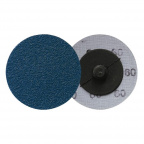
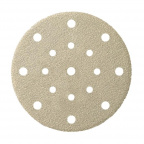




Choose by Material


-
Free shipping
In stock
-
Free shipping
In stock
-
Free shipping
In stock
-
Free shipping
In stock
-
Free shipping
In stock
-
Free shipping
In stock
-
Free shipping
In stock
-
Free shipping
In stock
-
Free shipping
In stock
-
Free shipping
In stock
-
Free shipping
In stock
-
Free shipping
In stock
-
Free shipping
In stock
-
Free shipping
In stock
-
Free shipping
In stock
-
Free shipping
In stock
-
Free shipping
In stock
-
Free shipping
In stock
-
Free shipping
In stock
-
Free shipping
In stock
-
Free shipping
In stock
-
Free shipping
In stock
-
Free shipping
In stock
-
Free shipping
In stock
-
Free shipping
In stock
-
Free shipping
In stock
-
Free shipping
In stock
-
Free shipping
In stock
-
Free shipping
In stock
-
Free shipping
In stock
-
Free shipping
In stock
-
Free shipping
In stock
-
Free shipping
In stock
-
Free shipping
In stock
-
Free shipping
In stock
-
Free shipping
In stock
-
Free shipping
In stock
-
Free shipping
In stock
-
Free shipping
In stock
-
Free shipping
In stock
Use Filter By to help narrow your search. Search by category, size, thread type, material / finish, spanner size and class / grade etc. Using the filters can give you results that match your criteria, reducing the need to scroll through pages of unrelated items.


