





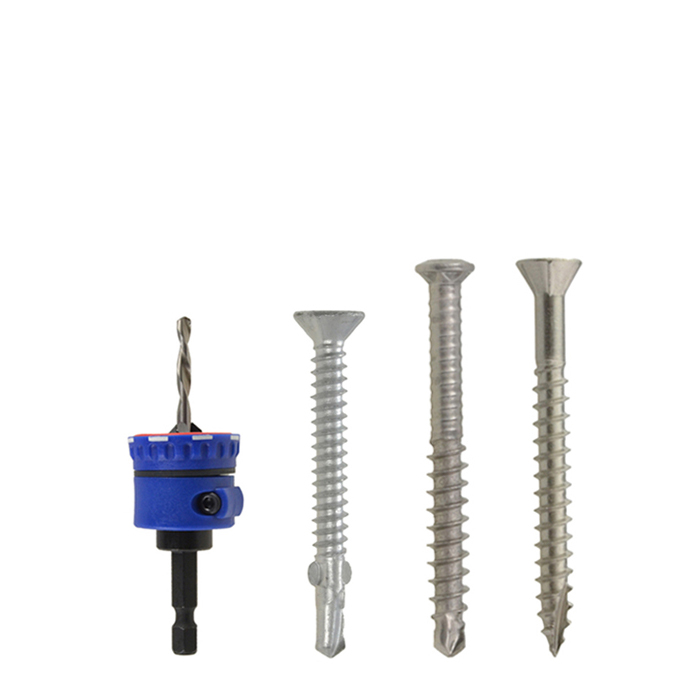
Screws for Decking

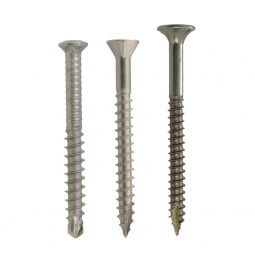
Use Filter By to help narrow your search. Search by material, thread, size, grade or length etc.
FREE Delivery | No MINIMUM Spend | Spend DISCOUNTS

Quick View
Categories
Abrasives
Allthread
Assortment Kits
Bolts
Drilling
Driving
Furniture Fasteners
Machine Screws
Marine & Hardware
Masonry Fixings
Nuts
Nutserts | Rivet Nuts
Pins & Clips
Rivets
Screws for Decking
Screws for Metal
Screws for Timber
Security Fasteners
Self Tapping Screws
Silicones & Adhesives
Socket Allen Screws
Taps & Dies
Tools
U Bolts
Washers
 Auger Bits Heavy Duty
 Combination Drill & Taps
 Countersinking Bits
 Decking Tools
 Drill Sets
 Hex Drive Drill Bits
 Holesaws and Accessories
 Impact Step Tip Drill Bits
 Jobber Drill Bits
 Left Hand Drill Bits and Screw Extractors
 Long Series Drill Bits
 Masonry Drill Bits
 Reduced Shank Drill Bits
 Single and Double Ended Drill Bits
 Spade Bits
 Assortment Kits
 Accessories
 Bremick MultiONE®
 Chemical Adhesives
 Chemical Studs & Capsules
 Countersunk Screw Anchors
 Countersunk Sleeve Anchors
 Dome Torx Screw Anchors
 Drop in Anchors
 ETA Approved Anchors
 Eye Screw Anchors
 Hex Flange Screw Anchors
 H-IT Anchors
 Hollow Wall Anchors
 Masonry Drill Bits
 Metal Pin Anchor
 Mungo Frame Anchors
 Mungo Plugs
 Nylon Nail-In Anchor
 Packers
 Plasterboard Plugs
 Plastic Sleeves
 Self Tapping Concrete Screws
 Sleeve Anchors
 Spaghetti Roll
 Suspension Anchors
 Tie Down Screw Anchors
 Toggles
 Universal Screw Anchor
 Wall Plugs
 Wedge Anchors | Trubolts
 Assortment Kits
 Acme Nut
 All Metal Lock Nut
 Barrel Nut
 Cage Nut
 Cap Nut
 Channel Nut
 Conelock Nut
 Cross Dowel Nut
 Dome Nut
 Eye Nuts
 Flange Nyloc Insert Nut
 Flange Nut
 Hex Head Plug Cover
 Hex Rod Coupler Nut
 Hex Standard Nut
 K-Lock Nut
 Left Hand Thread Nut
 Lock Nut Thin
 Nutserts | Rivet Nuts
 Nyloc Insert Nut
 Plow Nut
 Push Nuts
 Shear Security Nut
 Slotted Castle Nut
 Square Nut
 Slab Tee Nut
 Structural K0 Nut
 Tee Nut
 Thin Nyloc Insert Nut
 Timber Insert Nut
 Weld Nut
 Wing Nut
 Assortment Kits
Bremick MultiONE®
Assortment Kits
Bremick MultiONE®
 Bugle Batten Timber Screws
 Button & Wafer Timber Screws
 Chipboard Screws
 Coach Screws
 Countersunk Timber Screws
 Decking Timber Screws
 Flat Top Stitching Timber Screws
 Hex Flange Timber Screws
 Landscape Timber Screws
 Painted Timber Screws
 Plasterboard & Villaboard Screws
 Roofing Timber Screws
 Assortment Kits
 Belleville Washers
 Conical Spring Washers
 Countersunk Serrated Lock Washers
 Cup Washers
 Curved Washers
 External & Internal Tooth Lock Washers
 Flat Round Washers
 Flat Round Washers DIN125
 Flat Round Washers DIN433 Small OD
 Heavy Round Washers
 Heavy Square Washers
 High Tensile Round Washers
 Mudguard Round Washers
 Nord-Lock® Washers
 Nylon Flat Round Washers
 Red Fibre Flat Round Washers
 Roofing Screw Washers
 Schnorr® Washers
 Shoulder Washers
 Spring Lock Washers
 Structural K0 Washers
 Wave Washers
Technical Resources
Australian Owned and Operated
Free Delivery Within Australia
PRICE BREAKS AND SPEND DISCOUNTS
Use Filter By to help narrow your search. Search by material, thread, size, grade or length etc.
Copyright © 2024 Bolt & Nut Australia Pty LTD, ABN 45 159 328 604
Magento Website built By dZine-Hub
Spend up to $99 and get a 5% Discount
Spend between $100 - $249 and get a 10% Discount
Spend $250 and above and get a 15% Discount

