






Wave Spring Roll Pins
-
Free shipping
In stock
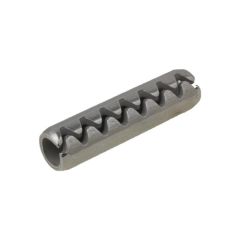 2mm (M2) Metric Stainless G420 Wave Tooth Spring Roll Pins JIS B 2808:1999As low as Select a length below to view priceSPEND DISCOUNTS APPLY
 5% OFF for orders under $9910% OFF for orders between $100 and $24915% OFF for orders over $250
 -
Free shipping
In stock
2.5mm (M2.5) Metric Stainless G420 Wave Tooth Spring Roll Pins JIS B 2808:1999As low as Select a length below to view priceSPEND DISCOUNTS APPLY
5% OFF for orders under $9910% OFF for orders between $100 and $24915% OFF for orders over $250 -
Free shipping
In stock
3mm (M3) Metric Stainless G420 Wave Tooth Spring Roll Pins JIS B 2808:1999As low as Select a length below to view priceSPEND DISCOUNTS APPLY
5% OFF for orders under $9910% OFF for orders between $100 and $24915% OFF for orders over $250 -
Free shipping
In stock
4mm (M4) Metric Stainless G420 Wave Tooth Spring Roll Pins JIS B 2808:1999As low as Select a length below to view priceSPEND DISCOUNTS APPLY
5% OFF for orders under $9910% OFF for orders between $100 and $24915% OFF for orders over $250 -
Free shipping
In stock
5mm (M5) Metric Stainless G420 Wave Tooth Spring Roll Pins JIS B 2808:1999As low as Select a length below to view priceSPEND DISCOUNTS APPLY
5% OFF for orders under $9910% OFF for orders between $100 and $24915% OFF for orders over $250 -
Free shipping
In stock
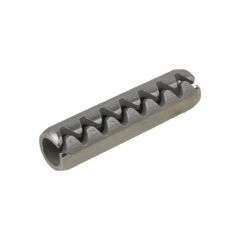 6mm (M6) Metric Stainless G420 Wave Tooth Spring Roll Pins JIS B 2808:1999As low as Select a length below to view priceSPEND DISCOUNTS APPLY
5% OFF for orders under $9910% OFF for orders between $100 and $24915% OFF for orders over $250
6mm (M6) Metric Stainless G420 Wave Tooth Spring Roll Pins JIS B 2808:1999As low as Select a length below to view priceSPEND DISCOUNTS APPLY
5% OFF for orders under $9910% OFF for orders between $100 and $24915% OFF for orders over $250 -
Free shipping
In stock
8mm (M8) Metric Stainless G420 Wave Tooth Spring Roll Pins JIS B 2808:1999As low as Select a length below to view priceSPEND DISCOUNTS APPLY
5% OFF for orders under $9910% OFF for orders between $100 and $24915% OFF for orders over $250 -
Free shipping
In stock
10mm (M10) Metric Stainless G420 Wave Tooth Spring Roll Pins JIS B 2808:1999As low as Select a length below to view priceSPEND DISCOUNTS APPLY
5% OFF for orders under $9910% OFF for orders between $100 and $24915% OFF for orders over $250
Use Filter By to help narrow your search. Search by material, thread, size, grade or length etc.

